Exhibits

Current position:HomeExhibitsDEET

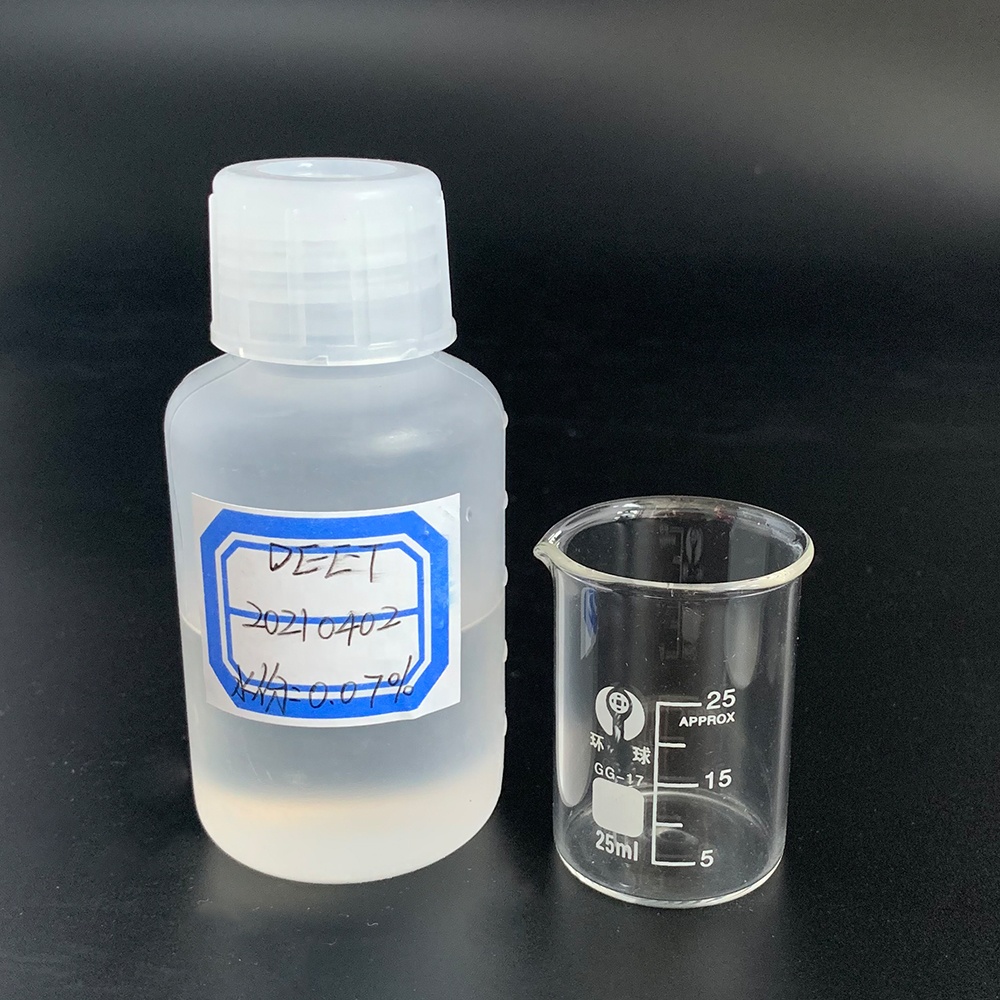
DEET

Price:US $6.0 - 10.0 / Kg

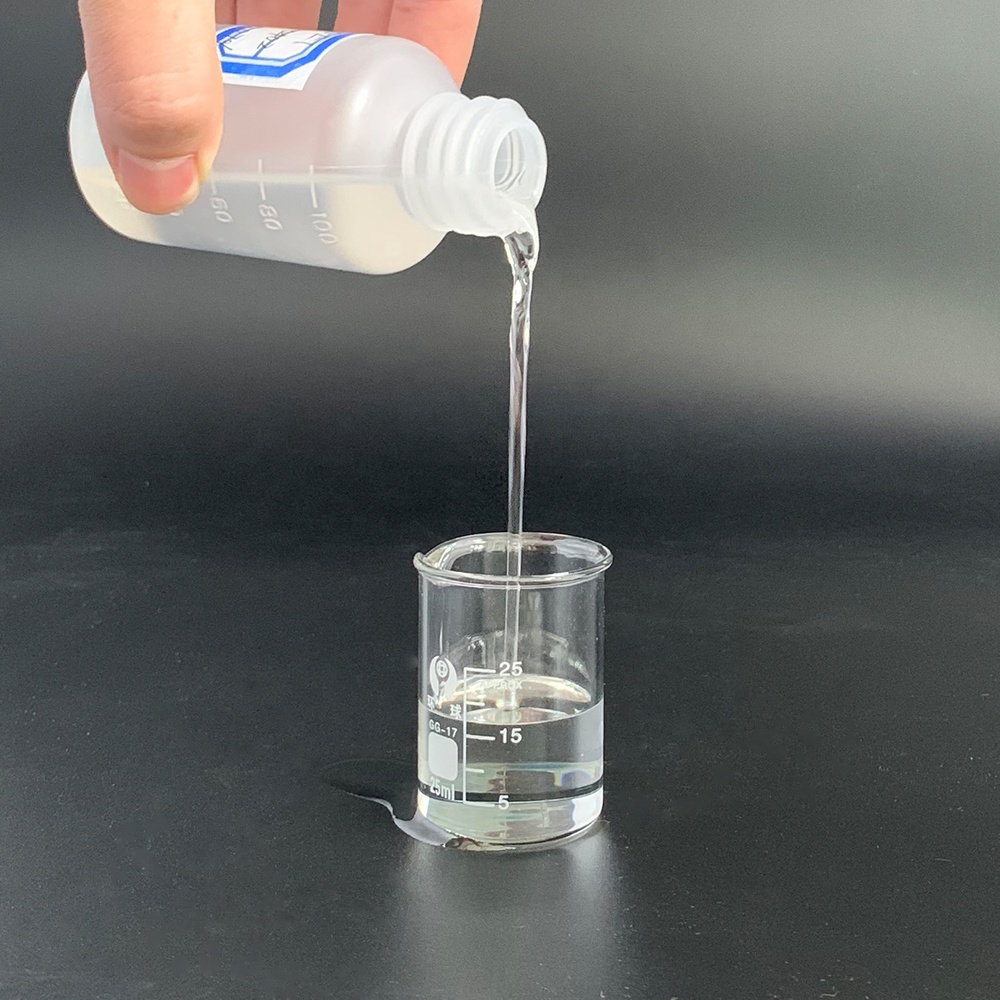
DEET is a tasteless, colorless or light brown liquid, chemically known as N, N-diethyl-3-methylbenzamide, used to make a highly effective non-toxic mosquito repellent. DEET was first made by the Department of Agriculture of the United States, and was specially used for field operations of the United States army, and later popularized. Deet was registered for civilian use in 1957 with the US Environmental Protection Agency as an insect repellent. According to the U.S. Environmental Protection Agency, nearly 40 percent of Americans use insect repellents containing Deet each year.
Unfold
Company information More

Company name:SHIJIAZHUANG LEMANDOU CHEMICALS CO., LTD.

Region:

Company address: 17TH FLOOR, BLOCK A,COFCO HEBEI PLAZA, NO.345 YOUYI NORTH STREET,SHIJIAZHUANG 050071 CHINA

  • Exhibit Introduction
Deet was developed in 1946 by the U.S. Department of Agriculture for use in field operations by the U.S. Army.
Around 200 million people worldwide use INSECT repellents containing Deet each year.
Deet has been widely used in the U.S. market since 1957. Over the past 40 years, it has been proved by more than 20,000 research units that Deet is the most safe and effective broad-spectrum repellent on the market.
The World Health Organization also recommends the use of repellent products containing Deet to protect against vector insects.
How DEET works: Figure out why mosquitoes are attracted to humans in the first place: Female mosquitoes need blood to lay eggs and produce eggs, and the human respiratory system produces surface volatiles such as carbon dioxide and lactic acid to help them find us. Mosquitoes are so sensitive to surface volatiles that they can run directly to their targets from up to 30 meters away. A repellent containing Deet is applied to the skin, and Deet evaporates around the skin to form a vapor-like barrier that interferes with the chemical sensors in the mosquito's antennae sensing volatiles on the surface of the body. To avoid mosquito bites.
When applied to the skin, DEET quickly forms a transparent film that resists friction and sweat better than other repellents. It is proved that DEET has better resistance to sweat, water and friction than other repellents. It is very effective in repelling mosquitoes even when they are sweating and drenched in water. Water showers include swimming, fishing, and other opportunities for extensive contact with water. DEET still has repellent effect on mosquitoes after a lot of friction. Other repellents lose their repellent effect after half the friction.

Contact us

CMEC INTERNATIONAL EXHIBITION CO., LTD

Address:No.42 North Street, ZhongGuanCun, Haidian District, Beijing

Tel:010-82686161

Fax:010-82686262

Scan the QR code to follow us!